Why Quick Games Feel Like Bigger Wins: The Psychology Behind Instant Play
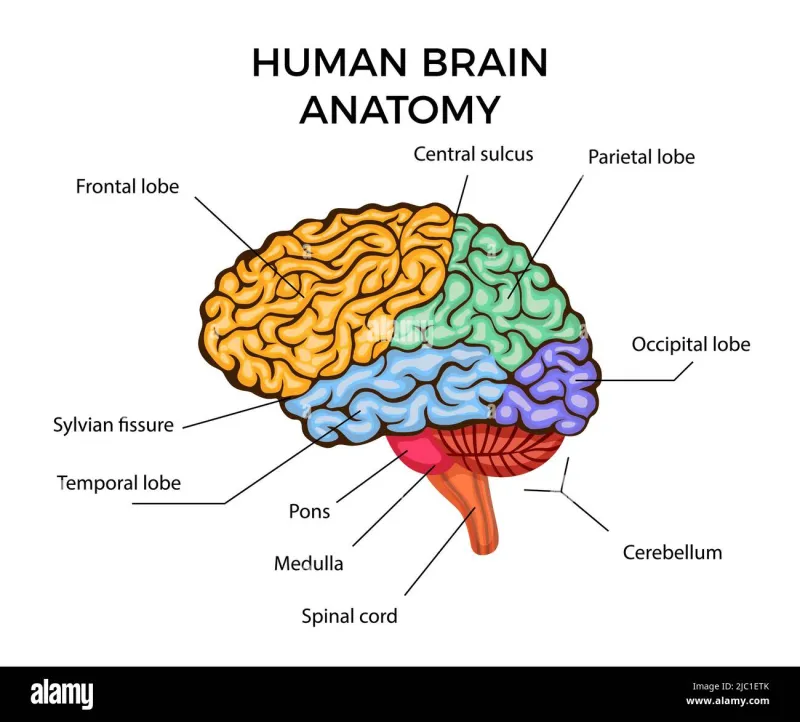
Photo: brain neurons glowing dopamine reward concept digital art, via www.alamy.com
Here's something worth thinking about before your next session at Instant Casino 3: you could walk away from a rapid-fire slots run feeling like a champion, even if your balance tells a different story. That's not a glitch in your thinking — it's a feature of how human brains are wired to process speed, reward, and repetition.
Instant gaming has a psychological edge that traditional casino formats simply can't replicate. And understanding why that edge exists is one of the most useful things any player can know.
The Speed-Reward Loop Your Brain Loves
At the core of this whole phenomenon is dopamine — the neurotransmitter your brain releases in anticipation of a reward, not just when you receive one. This is a critical distinction. Research in behavioral neuroscience consistently shows that the expectation of a reward triggers a dopamine spike, sometimes a bigger one than the reward itself.
Now factor in tempo. In a traditional table game, you might wait several minutes between meaningful moments. In an instant slot or fast-play game, those anticipation windows stack up rapidly — sometimes dozens of times per minute. Each spin, each reveal, each near-miss creates its own mini dopamine event. Over a short session, your brain has essentially been to a reward buffet.
The result? You finish a 15-minute instant gaming session feeling like something happened, even if the net outcome was neutral. Your neurological experience was rich, regardless of what the cashier's cage would say.
RTP: What You Think It Means vs. What It Actually Means
Return to Player (RTP) percentages are one of the most misunderstood metrics in casino gaming, and fast-paced formats amplify that misunderstanding in interesting ways.
A slot with a 96% RTP theoretically returns $96 for every $100 wagered — but that figure is calculated across millions of spins over an extended period. During any individual session, especially a short one, variance rules the show. You could run well above expected returns in twenty minutes, or well below them.
Here's the psychological twist: because instant games move so quickly, players often perceive their session RTP as more favorable than it was. A few early wins followed by a gradual drawdown feels, in the moment, like a profitable experience — because those wins registered emotionally while the losses blurred together in the speed of play.
This isn't manipulation; it's just how compressed timelines interact with human memory. We anchor to vivid moments. A $25 hit on spin three stands out. The twelve $2 losses that followed? Less so.
The Illusion of Control in Fast-Play Formats
One of the more fascinating quirks of rapid gaming is what psychologists call the "illusion of control" — the tendency to believe that personal skill or timing influences outcomes that are, in reality, entirely random.
In slow-paced games, this illusion has time to breathe. Players deliberate, strategize, and attribute outcomes to their decision-making. In instant gaming, the pace is too fast for that kind of reflection — which, counterintuitively, increases the sense of agency for many players. The rapid button presses, the quick decisions about bet size, the choice of which game to jump to next — all of these micro-actions feel like active participation in the outcome.
You're not passively watching a roulette wheel spin for ninety seconds. You're clicking, choosing, moving. That kinetic engagement creates a sense of authorship over the experience, even when the RNG is doing all the actual work.
Near-Misses Hit Harder When They Come Faster
The near-miss effect is well-documented in gambling research: outcomes that almost result in a win activate similar brain regions as actual wins, reinforcing continued play. In fast-paced instant formats, near-misses arrive more frequently simply because more spins are happening.
More near-misses per minute means more moments of "almost" — and each one carries a psychological signal that encourages the player to keep going. The logic feels airtight in the moment: I'm clearly close to a win, so one more spin makes sense. That reasoning is, of course, statistically flawed (each spin is independent), but it feels perfectly rational when you're in the middle of a fast session.
This is worth knowing not to scare you off instant gaming — it's genuinely fun, and that's the point — but to help you recognize when the feeling of "almost" is influencing your decisions more than your actual strategy.
Instant Gratification Culture and Why This All Makes Sense Right Now
It's worth zooming out for a second. Americans are living in an era of accelerated everything. Streaming services deliver entire seasons at once. Food apps promise delivery in under 30 minutes. Social media serves up thousands of micro-content pieces daily. Our collective appetite for fast, satisfying experiences has never been higher.
Instant casino gaming fits neatly into that cultural moment. It doesn't ask you to sit at a felt table for three hours or wait for a slow hand to play out. It meets you where you are — on your phone during a lunch break, on your tablet before bed — and delivers concentrated entertainment in compact windows.
That alignment between format and lifestyle is a big part of why instant gaming feels more rewarding. It respects your time, which in 2024 America is no small thing.
Playing with Eyes Open
None of this is meant to suggest that instant gaming is somehow deceptive or that enjoying it makes you a sucker. The psychological mechanisms at play are the same ones that make movies emotionally affecting and sports exciting — our brains respond to pacing, anticipation, and resolution in predictable, very human ways.
What matters is awareness. When you sit down for a session at Instant Casino 3, you're not just spinning reels — you're engaging with a finely tuned experiential format that your brain finds genuinely satisfying. Understanding why it feels that way puts you in a stronger position to enjoy it on your own terms, set limits that make sense, and walk away feeling good about the experience regardless of the final balance.
Spin fast, sure. But spin smart.