Wired for the Win: What's Really Happening in Your Brain When You Play Instant Casino Games

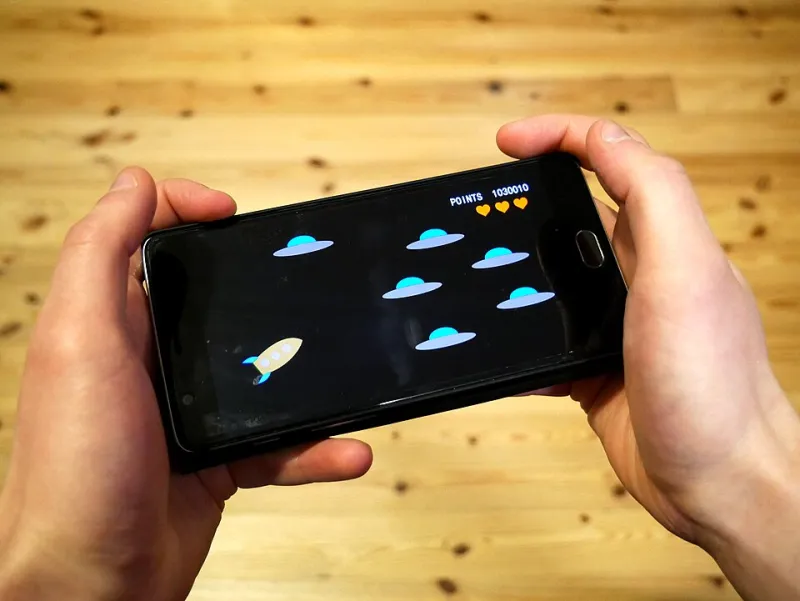
Photo: Jules Verne Times Two, CC BY-SA 4.0, via Wikimedia Commons
The Fastest Reward Loop in Entertainment
Think about the last time you waited in line at the DMV. Or sat through a two-hour movie that lost you in the third act. Americans are famously impatient — not because we're lazy, but because our culture has been optimizing for speed since the drive-through was invented. Fast food, same-day delivery, streaming on demand. We don't just want things quickly. We expect it.
That cultural wiring is exactly why instant-play casino games have exploded in popularity across the US. At Instant Casino 3, we see it every single day — players jumping into a quick slots session during a lunch break, squeezing in a few hands of roulette before dinner, or spinning through a bonus round while the coffee brews. The experience is designed to be immediate, and your brain absolutely loves that.
But what's actually going on upstairs when you hit that spin button? Turns out, it's a lot more complex — and fascinating — than most people realize.
Dopamine: The Real Dealer at the Table
Dr. Rena Castillo, a behavioral neuroscientist who has consulted with gaming platforms on player engagement, puts it plainly: "The brain doesn't distinguish between a reward that took three hours to earn and one that took three seconds. What it responds to is the anticipation of the reward — and the faster that cycle repeats, the more frequently dopamine gets released."
Dopamine is the neurotransmitter most people associate with pleasure, but it's more accurately described as the chemical of wanting. It surges not when you receive a reward, but in the moments just before — during that spin animation, that card flip, that dice roll. Instant-play games are essentially precision-engineered dopamine delivery systems, cycling through anticipation and resolution in seconds rather than minutes.
For American players raised on a diet of instant feedback — likes on social media, next-episode autoplay, push notifications — this rhythm feels completely natural. It mirrors the pace of modern digital life in a way that slower, more deliberate entertainment formats simply can't match.
Decision Fatigue and the Relief of Simple Choices
Here's something behavioral economists have been tracking for years: the more decisions we make throughout a day, the worse we get at making them. It's called decision fatigue, and by the time most working Americans hit their evening hours, they've already burned through hundreds of micro-decisions — what to eat, what to reply, what to prioritize, what to skip.
Instant-play casino games offer a surprisingly effective antidote. The choice architecture is beautifully simple. Pick a game. Set your bet. Hit spin. There's no complex strategy to memorize, no lengthy tutorial, no multi-step commitment. You're in the action within seconds.
Dr. Marcus Webb, a consumer psychologist who studies digital entertainment habits, describes this as "cognitive offloading." "When someone sits down to play a slot game after a demanding workday, they're not looking for more complexity," he explains. "They're seeking a controlled environment where the rules are clear, the stakes feel manageable, and the outcome arrives quickly. That's genuinely restorative for an overworked brain."
This is part of why games with clear visual feedback — bright win animations, satisfying sound effects, instant payout displays — perform so well with US audiences. The brain gets a clean, unambiguous signal: you did the thing, here's the result. No ambiguity. No waiting.
The 'Near Miss' Effect and Why It Keeps You Spinning
One of the most well-documented phenomena in gaming psychology is the near miss — when you almost hit the jackpot, landing two out of three matching symbols, or busting at 22 in blackjack. Logically, a near miss is just a loss. But psychologically, it registers almost identically to a win in terms of brain activation.
Researchers at the University of Cambridge found that near misses activate the same neural reward circuits as actual victories, creating a compelling illusion of "almost" that motivates continued play. Instant-play games, with their rapid round cycles, generate more near-miss moments per minute than slower formats — which means more of these psychological hooks per session.
It's worth being clear: understanding this mechanism doesn't make it manipulative, any more than understanding why a thriller movie creates suspense makes watching one harmful. Knowledge is power, and at Instant Casino 3, we believe informed players are better players. Recognizing the near-miss effect helps you stay in control of your session and play with intention rather than impulse.
Instant Gratification Culture: America's Unique Relationship with Speed
No country on earth has embraced the "right now" economy quite like the United States. From Amazon Prime to Uber Eats to streaming services that auto-play the next episode before the credits roll, American consumer culture has been systematically rewiring expectations around immediacy for decades.
Gaming platforms that match this pace tap into something genuinely resonant. When instant-play slots deliver a result in under three seconds, they're speaking the same language as every other fast-response digital product Americans use daily. The experience feels familiar — not foreign or effortful.
Social psychologist Dr. Alicia Moreno, who studies entertainment preferences across demographic groups, notes that this isn't just generational. "It's cross-cutting," she says. "Whether you're 28 or 58, if you've been embedded in American digital culture for the last decade, your baseline expectation for entertainment responsiveness has shifted dramatically. Instant-play gaming meets people where they already are."
The Role of Mastery Illusion in Quick-Round Games
Another psychological layer worth unpacking: even in games of chance, players often experience what researchers call a "mastery illusion" — a sense that skill or timing influences outcomes. Pressing the spin button at just the right moment. Choosing which slot to play based on recent results. These rituals don't change the math, but they give players a feeling of agency that makes the experience more engaging.
Table games like blackjack and baccarat take this a step further by introducing genuine strategic elements — even in their quick-play formats. The combination of real skill influence (however modest) and rapid feedback cycles creates a particularly sticky engagement loop, because players can attribute wins to their decisions and losses to variance. That attribution pattern keeps the experience feeling fresh and motivating.
Playing Smart Means Playing Aware
Understanding the psychology behind instant-play gaming isn't about dampening the fun — it's about enhancing it. When you know why a quick spin session feels so satisfying, you can approach it with the right mindset: as a form of entertainment with real psychological benefits, including stress relief, sensory stimulation, and that clean hit of dopamine-fueled anticipation.
At Instant Casino 3, the whole platform is built around the idea that gaming should be immediate, exciting, and on your terms. Spin fast. Win now. Play instant. That's not just a slogan — it's a design philosophy rooted in exactly the kind of psychology we've been talking about. The best session is one where you walk away feeling like you got exactly what you came for: a fast, fun, and genuinely satisfying experience.
Know your triggers, set your limits, and enjoy the ride. The science says your brain is going to have a great time.